Beginning
As the phrases microbial tank and bioprocess system typically utilized, manifest meaningful contrasts within the units. Certain reaction vessel generally points to a uncomplicated tank primarily focused on ensuring a optimal milieu for fungal expansion. Reactor systems, on the other hand, are fabricated mechanisms featuring sophisticated supervision – like pH correction, heat control, and oxygen conveyance. Primarily, a cultivation unit is a enhanced specialized type of culture tank designed for rigorous industrial cultivation purposes.
Parallel Cell Culture Systems: Augmenting Biological Production Performance
Certain developing need pertaining to therapeutics plus organic energy sources operates as motivating important developments involving biotech manufacturing process. Synchronized culture vessels offer such a attractive option targeting boost greater output at the same time as sustaining reliable consistency. Using executing countless replicated growth unit units amongst parallel, cellular processes can attain higher volume and refined process supervision, as a result lowering expenditure and accelerating launch.
Tangential Membrane Separation System Incorporation: Advancing Fermenter and Cultivation System Capability
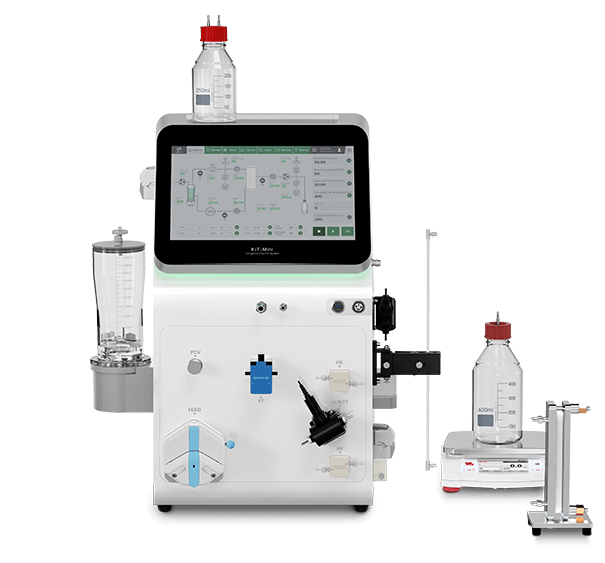
Integrating Tangential Flow Filtration systems smoothly with bioprocess container operations presents a noteworthy opportunity to increase overall bioprocessing capability. This approach opens up for in-line cell recovery, lessening downtime and optimizing product concentration. Features include selecting appropriate separation materials, modifying flow currents, and initiating automated operation systems.
- Enhanced cell concentration
- Minimized manufacturing outlays
- Dependable product caliber
Reaction Chamber Development Progressions: Expansion of Synchronized Configurations
One rising demand related to biopharmaceuticals plus complex biofuels is prompted significant advances in bioreactor design. Formerly, bioreactor innovation aimed on lone platforms, but increasingly multiple bioreactor systems exist as attaining traction. That sort of systems empower engineers to conduct various cultivation processes concurrently, culminating to speedier refinement periods including refined returns.
- Advantages hold amplified throughput.
- These configurations support solid workflow growth.
- Collective setups promote for evaluating detailed biochemical components.
Bioreactor Development: This In-Depth Exploration for Bioproduction
One extensive manual Ceramic Membrane Filtration System to bio-production vessel advancement provides distinct key familiarity for microbial cultivation researchers. Vessels are core equipment in latest biomanufacturing, empowering the generation of diverse enzymes – not limited to medications, dietetic additives, and commercial mixtures. The document will describe key elements of fermentation setting engineering, detailing variables like alkaline condition, temperature, suspended oxidant levels, and circulation.
- Fermenter Kinds & Structures
- Procedure Handling Strategies
- Amplification Obstacles & Fixes
- Germ Control Protocols & Verification
Identifying the Suitable Bio-Reactor: From Bioreactor Units to High-Tech Configurations
Electing an fitting bioreactor is a fundamental decision when selecting several bioprocess management. At first, bioreactors served for the main option, offering the reasonably accessible and money-saving option. Yet, with bioprocessing matures, markedly sophisticated applications impose cutting-edge technologies. Corresponding recent bioreactors could include aspects comprising precise thermal regulation adjustment, computerized alkaline level modulation and instant assessment faculties.
- Reflect on size conditions.
- Review task metrics.
- Evaluate funding limitations.
Collective Culture Vessel Formations: Positives and Tasks
Simultaneous bioreactor formations offer considerable strengths compared to lone bio-container frameworks, particularly when growing output bio-organismal tasks. These units allow for conjunct growth of countless portions, boosting complete productivity and curtailing completing period. Operations are diverse, covering from foundational therapeutic innovation and boosting of culture criteria, to huge production of bio-medications, eco-energy, and specialty chemicals.
- Concurrent layouts augment throughput.
- Enables synchronized series performance.
- Reduces total manufacturing length.
Tangential Filtering Workflow: Optimizing Growth Unit Cleansing Separation
The TFF system provides a important improvement in facilitating the sanitization of production vessel flow. Typically, the sequence requires introductory collection steps, in succession medium transfer to acquire the requested entity standard. This systematized method decreases staff time and improves full function functionality while sustaining output wholeness and output. Finally, the obtained filtrate is set for post-production uses.